
PRODUCT
PRODUCT
CONTACT US
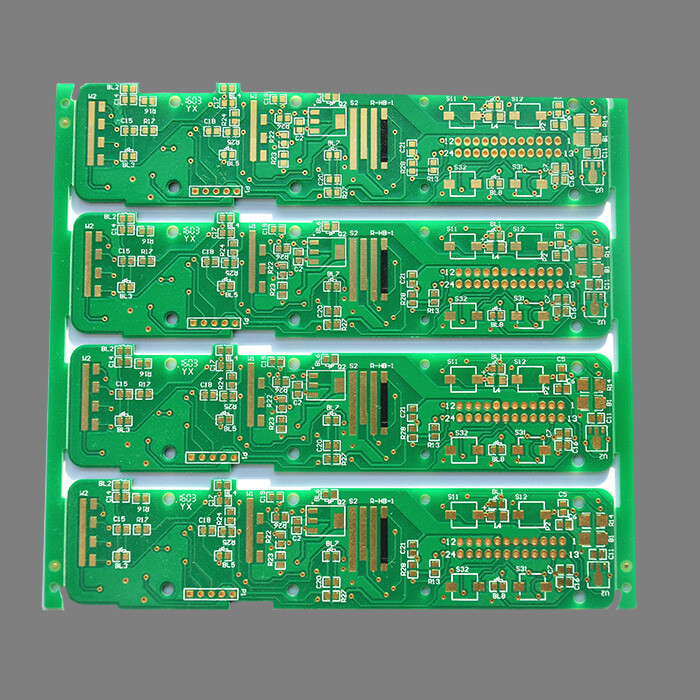
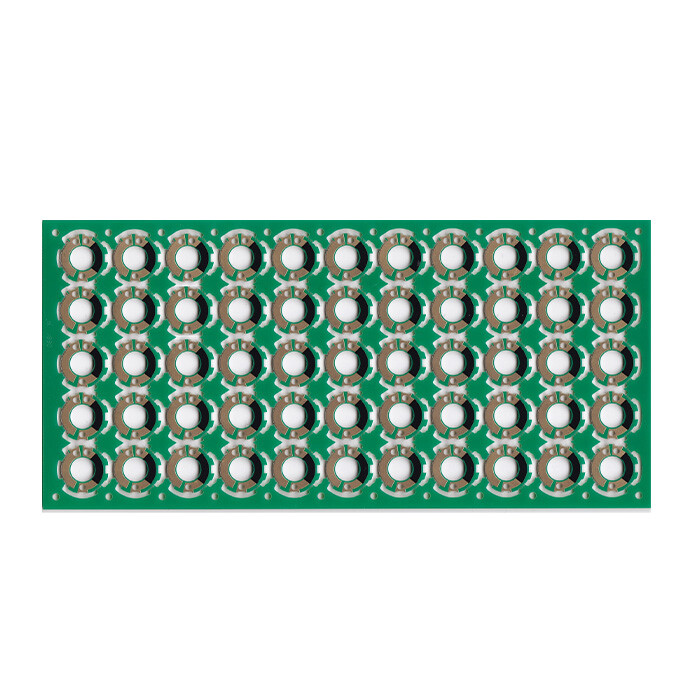
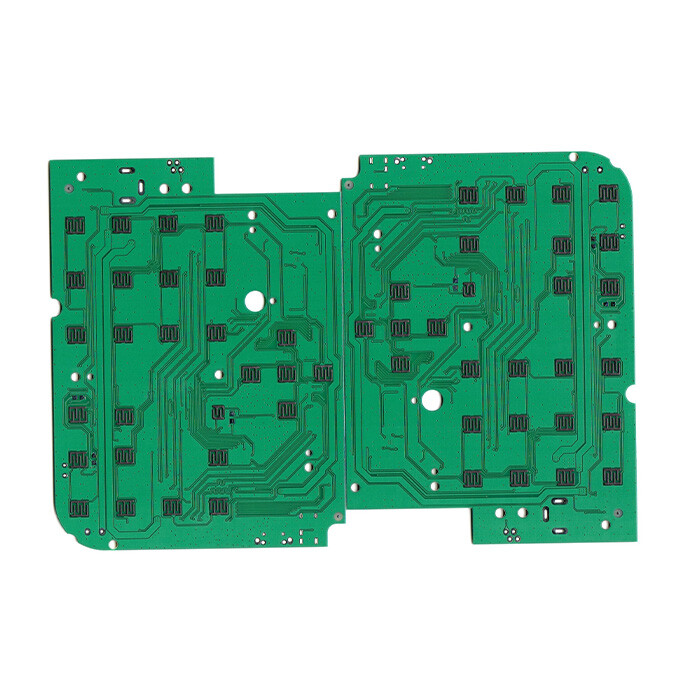
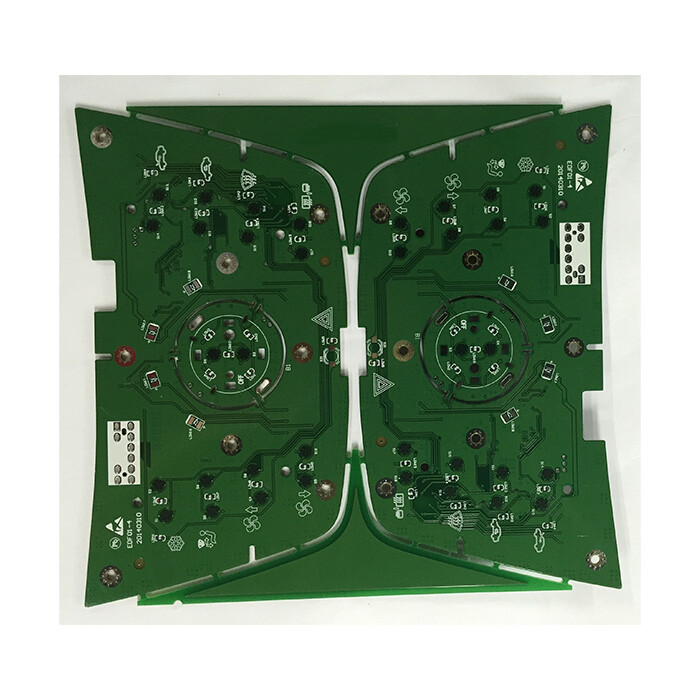
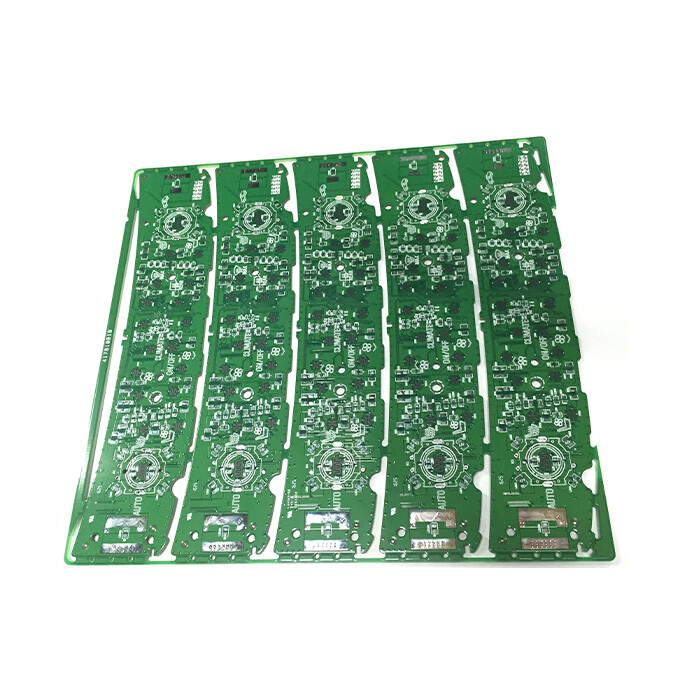
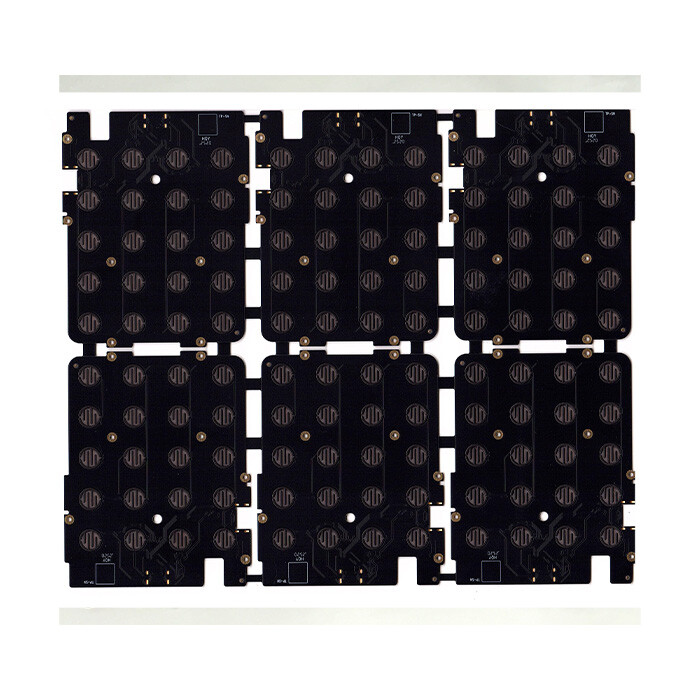
Key Parameters of Carbon Oil PCB
Commodity Name: Carbon Oil or Carbon Film Printed Circuit Board
Brand Name: HFast
Type: DBC Metallized Ceramic Substrate
Material: Alumina Ceramic/Copper
Layers: 6L
Range of Copper Thickness: 2-9oz
Density: 3.7g/cm3
Flexural Strength: 466-496Mpa
Surface Roughness: 0.3-0.5
Thermal Conductivity: >170
Dielectric Strength: >15KV/mm
Dielectric Constant: 9.0Mhz
Brief Introduction of Carbon Oil PCB
Carbon oil PCB board (also known as carbon ink PCB or conductive carbon oil PCB)
Carbon oil PCB has become an ideal choice for consumer electronics and industrial control due to its low cost, high wear resistance, and environmental friendliness. Its technological maturity and continuous innovation are driving its penetration in fields such as the Internet of Things and high-frequency communication. The core of the process lies in gap design, viscosity control, and curing management, which must strictly follow industry standards to avoid the risk of failure.
Characteristics of Carbon ink PCB
1. Screen printing technology;
2. Characteristics of carbon ink;
3. Multi layer protection;
4. Heat dissipation optimization;
5. Excellent wear resistance;
6. Environmental adaptability;
7. Electrical stability.
Basic definition and core characteristics of Carbon Oil PCB
1. Technical principles
Carbon oil PCB uses screen printing technology to precisely cover conductive carbon ink on designated areas of the circuit board (such as key contacts, vias, or resistance paths). After curing at 150 ℃ for 45 minutes, a stable conductive carbon film is formed. This carbon film can replace traditional resistive elements or metal contacts, and has the functions of conductivity, wear resistance, and impedance control.
2. Core Features
-Conductivity: Carbon ink contains high-purity graphitized particles, with low electrical resistivity (typical square resistance ≤ 25 Ω/□) and via resistance<100 Ω, suitable for current transmission.
-Wear resistance: The cured carbon film can withstand over 1 million presses (such as elevator buttons or remote controls), far exceeding ordinary metal contacts.
-Cost Advantage: Replacing expensive hard metal processes (such as keyboard contacts), reducing surface treatment costs by over 30%.
Key technologies of process and materials of Carbon Oil PCB
1. Manufacturing process
The core steps include: * * board cleaning → screen printing → high-temperature curing → resistance testing * *. Strict control of environmental cleanliness and ink viscosity is required to avoid oil leakage and short circuits.
2. Design specifications
-Gap requirement: The minimum gap between carbon oil patterns is 8mil (HOZ copper foil) or 12mil (thick copper foil) to prevent conductive bridging short circuits.
-Alignment tolerance: ± 6mil. The carbon window should be 6-8mil larger than the copper pad on one side to avoid copper exposure or covering surrounding circuits.
-Thickness control: Single printing thickness of 0.3-1.0mil (tolerance ± 0.3mil), excessive thickness requires secondary reprinting.
3. Material properties
The characteristics of high-quality carbon ink (such as Field-808 model) include:
-Viscosity 300 ± 50dpa · s (25 ℃), adhesion 100/100 (tape test);
-Environmental resistance: Resistance change ≤ 10% under 85 ℃/1000h or humid and hot environment (40 ℃, 95% RH).
Quality Challenges and Process Control of Carbon Oil PCB
1. * * Common defects**
-Carbon film cracking: caused by a sudden increase in baking temperature or excessive diluent (>5%), gradient heating and viscosity control are required;
-Short circuit risk: caused by carbon oil seepage or insufficient design clearance, a safety margin needs to be reserved in the film design.
2. * * Control Points**
-Before printing, the board surface must be thoroughly cleaned of oxides/grease;
-Replace the screen after every 2500 prints to avoid deformation of the mesh;
-After curing, 100% inspection of resistance and adhesion, with a sampling rate of ≥ 5%.
Industry Trends of Carbon Oil PCB
-* * Miniaturization * *: Carbon ink printing accuracy has been improved to 3 μ m particle fineness, supporting finer lines;
-* * Hybrid process * *: combined with gold deposition/tin spraying to optimize the performance of high-frequency boards (such as 5G base stations);
-Material Innovation: Developing low-temperature curing carbon ink (120 ℃/10min) that is compatible with flexible substrates (PET/PVC).
Online Message
Application


CONTACT US
Please use the form below to get in touch.
If you need a reply we will get in touch as soon as possible.