
PRODUCT
PRODUCT
CONTACT US
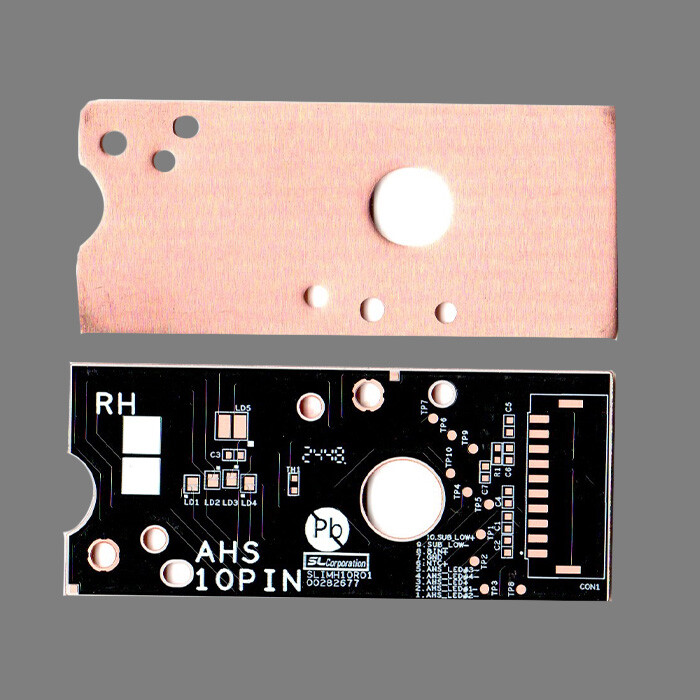
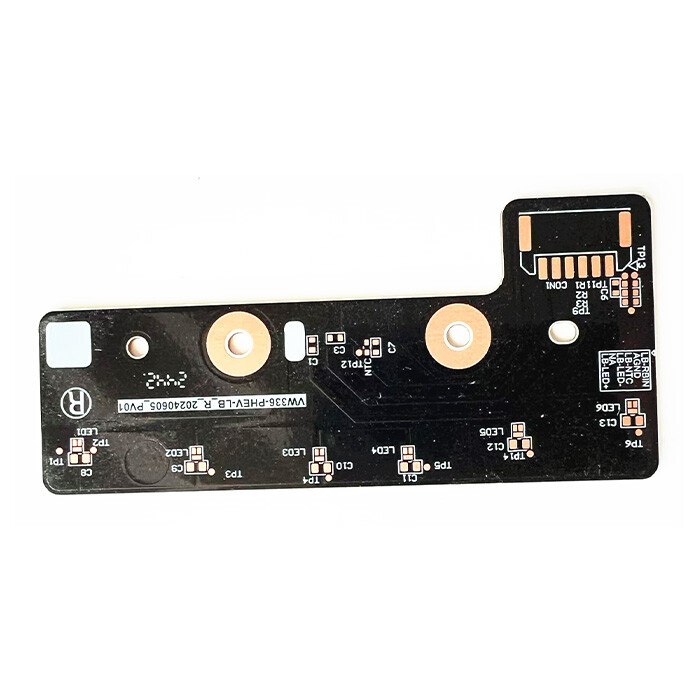
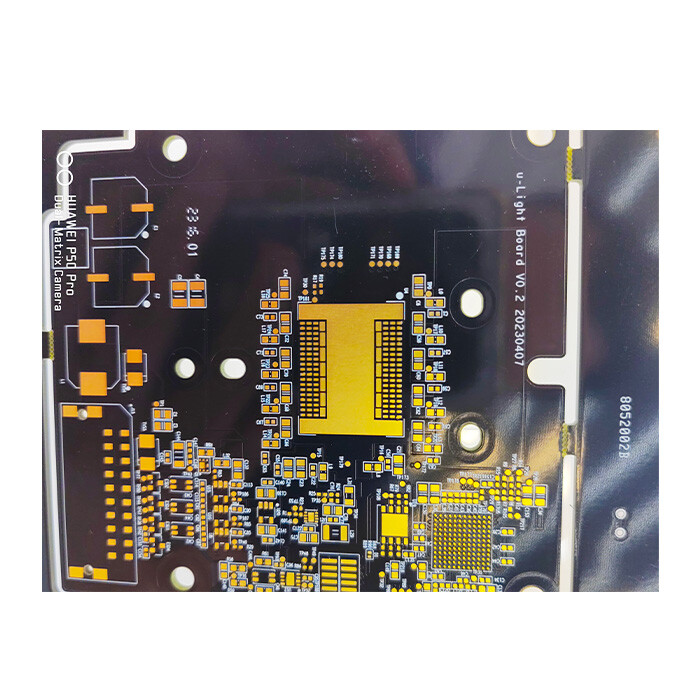
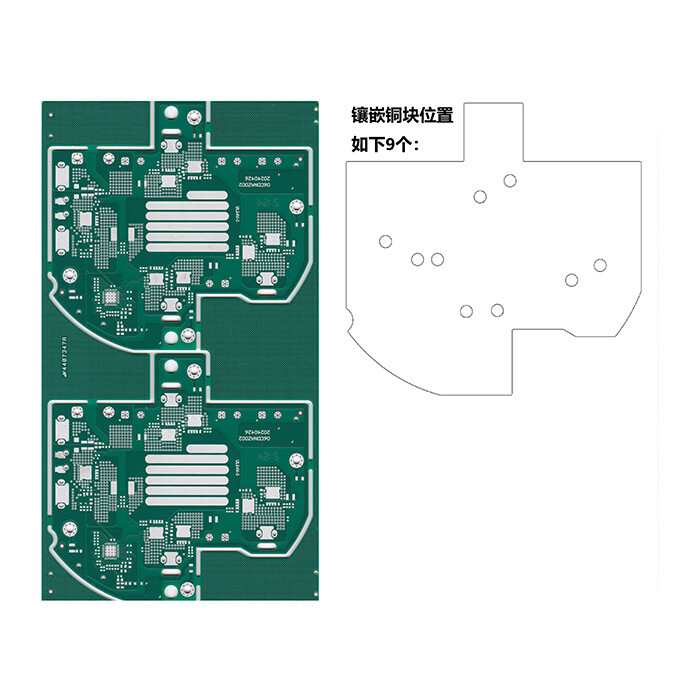
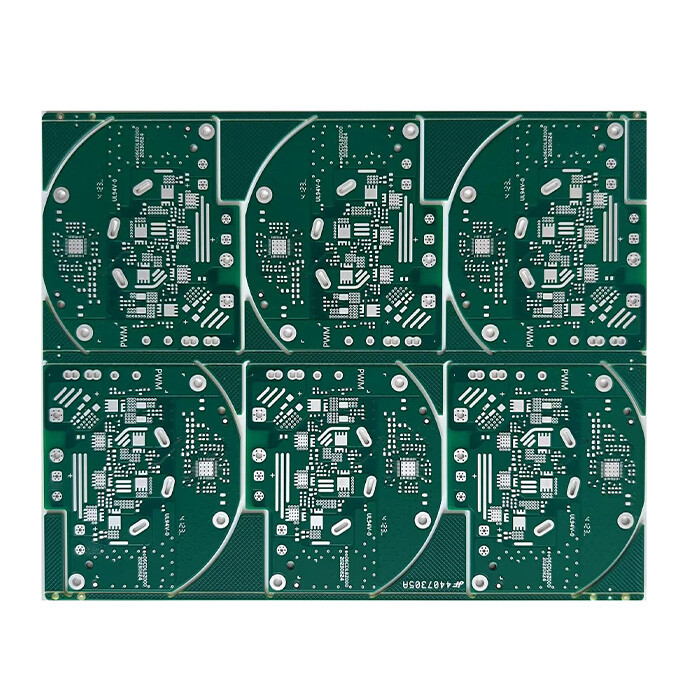
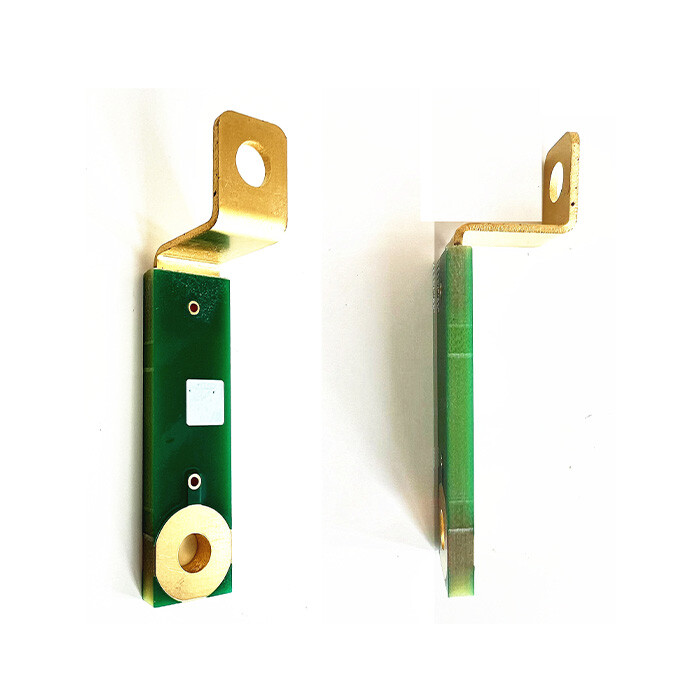
Copper Substrate PCB, also know as Core PCB or Copper Based PCB, is a type of metal based circuit board that uses copper as the core substrate. It is a high-end type of metal substrate (MCPCB). It utilizes the excellent thermal and electrical conductivity of copper to mainly solve the heat dissipation problem in high-power electronic devices.
Key Parameters of Copper Core PCB
Commodity Name: Copper Substrate Printed Circuit Board for Automotive
Place of Origin: Jiangsu, China
Brand Name: HFast
Base Material: Copper
Layers: 1L
Board Thickness: 1.60mm
Minimum Hole Size: 2.0mm
Minimum Line Width: 0.50mm
Minimum Line Spacing: 0.50mm
Surface Treatment: Gold Plating
Color: Black Oil and White Legend
Surface Treatment: Gold Plating
Core Structure of Copper Substrate PCB
1. Copper substrate (Core Layer)
-The thickness is usually 0.5mm-5mm (can be customized to be thicker), accounting for more than 70% of the board thickness, providing super strong thermal/electrical conductivity.
2. Dielectric Layer
-High thermal conductivity polymer (such as epoxy resin+ceramic powder), with a thickness of 0.1-0.3mm, combines electrical insulation and heat transfer functions.
3. Circuit Layer
-Copper foil is etched to form wires, with a copper thickness of 1oz-10oz (35 μ m-350 μ m+), meeting high current requirements.
Core Advantages of Copper Substrate PCB
1. Ultimate thermal conductivity
-The thermal conductivity is as high as 380 W/(m · K) (pure copper), which is more than twice that of aluminum substrates (aluminum is about 200 W/(m · K)), and can quickly transfer heat from the chip to the heat sink.
2. Ultra high heat capacity
-The high specific heat capacity of copper can absorb instantaneous high-power heat and avoid local overheating (such as laser pulse conditions).
3. Mechanical strength and stability
-The bending strength is better than that of aluminum substrates, and the coefficient of thermal expansion (CTE) matches ceramic chips, reducing thermal stress cracking at solder joints.
4. Electromagnetic shielding
-Copper layer naturally shields high-frequency interference and is suitable for radio frequency (RF) and high-power switching power supplies.
5. Supports high current design
-Thick copper circuit layers (such as 6oz or more) can carry hundreds of amperes of current.
Manufacturing Process Difficulties of Copper Substrate PCB
1. Drilling processing
-A diamond coated drill bit is required for a hard copper layer, and the hole wall is prone to burrs, with a cost 3-5 times higher than that of an aluminum substrate.
2. Etching control
-Thick copper (>3oz) etching requires lateral compensation design to avoid wire "trapezoidal" deformation.
3. Laminated process
-The difference in thermal expansion coefficient between copper and insulation layer is significant, requiring low-temperature and high-voltage lamination to prevent delamination.
4. Surface treatment
-Choose antioxidant ENIG (chemical nickel gold) or silver plating to avoid high-temperature oxidation.
Selection Suggestions of Copper Substrate PCB
-Priority should be given to copper substrates when:
-Heat density>10W/cm ² (such as multi-core CPU heat dissipation module)
-Require thermal resistance<1 ℃/W (e.g. laser diode)
-There is instantaneous pulse power (such as electromagnetic gun drive circuit)
-More economical scenarios for aluminum substrates:
-Medium power LED light board with uniform heat dissipation
-Cost sensitive consumer electronics products
Summary of Copper Substrate PCB
Copper based PCB is the ultimate heat dissipation solution driven by the demand for heat dissipation. Although it has a high cost, it cannot be replaced in extreme working conditions such as new energy, aerospace, and supercomputing. With the popularization of SiC/GaN power devices, their application in high-frequency and high-temperature fields will continue to expand. When designing, it is necessary to comprehensively weigh the thermal conductivity requirements, mechanical strength, and cost, and if necessary, use copper aluminum composite substrates to optimize cost-effectiveness.
Online Message
Application


CONTACT US
Please use the form below to get in touch.
If you need a reply we will get in touch as soon as possible.