
PRODUCT
PRODUCT
CONTACT US
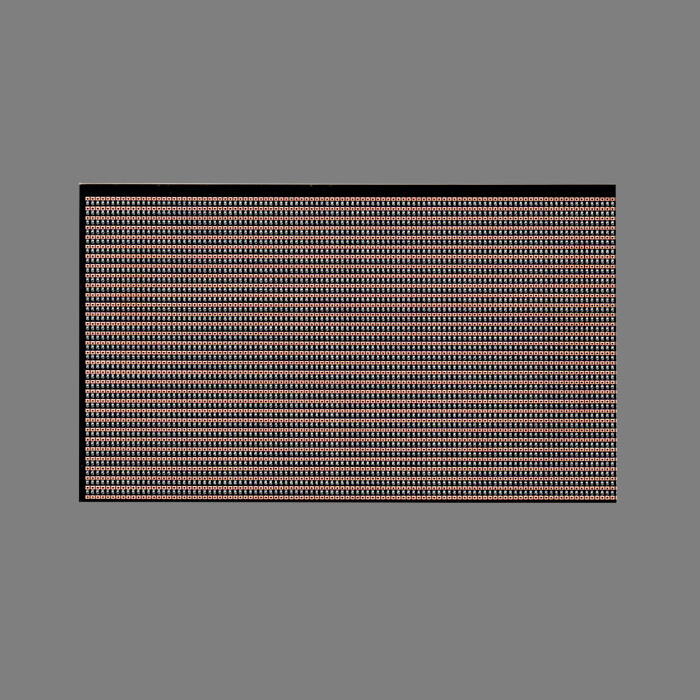
Commodity Name: Polymer Printed Circuit Board for POS Machine
Brand Name: HFast
Layers: 2L
Board Thickness: 1.00mm
Minimum Line Spacing: 0.127mm
Surface Treatment: Gold Plating
Color: Black Oil and White Legend
Brief Introduction of polyimide PCB
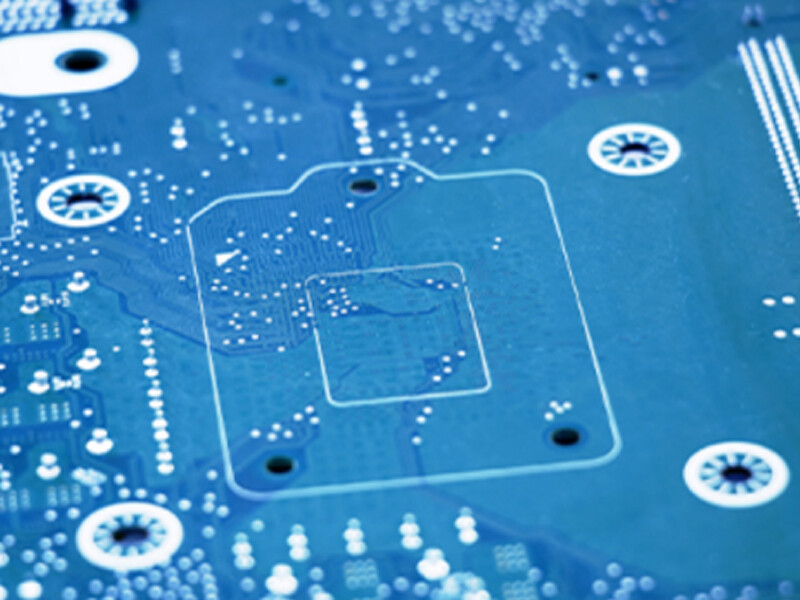
Polymer PCB board refers to printed circuit boards based on high-performance polymers (polymer materials), which have significant advantages in high temperature resistance, high-frequency characteristics, mechanical strength, and environmental friendliness.
Polymer PCB board breaks through the performance boundary of traditional FR-4 through material innovation:
✅ ** High frequency field * *: PTFE/LCP achieves low signal loss;
✅ ** Extreme environment * *: PI provides super heat resistance guarantee;
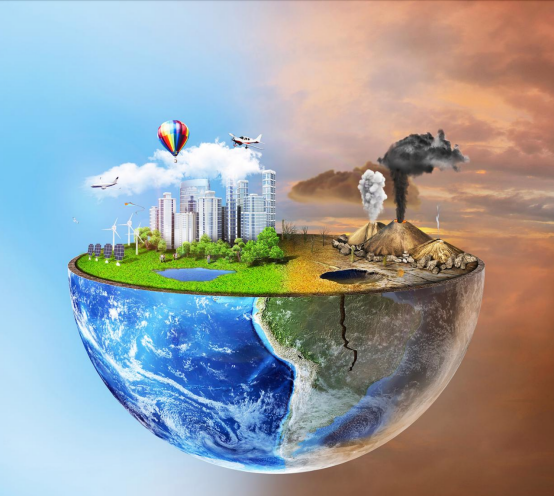
✅ ** Sustainable development: Soluboard based reconstruction of electronic recycling pathways.
In the future, it is necessary to overcome the challenges of multi-layer design and cost optimization. However, with the promotion of environmental policies such as the EU WEEE directive, polymer materials have enormous potential in high-end electronics and green manufacturing.
Types and characteristics of core polymer materials of Polymer PCB
1. * * Polytetrafluoroethylene (PTFE)**
-Excellent high-frequency performance: extremely low dielectric constant (Dk) and dielectric loss (Df), suitable for high-frequency scenarios such as 5G communication and radar (>1GHz).
-* * Resistant to extreme environments * *: Wide working temperature range (-196 ℃~250 ℃), strong acid and alkali resistance, low friction coefficient.
-* * Processing Challenge * *: PTFE material has high flexibility but a large coefficient of thermal expansion, which requires the addition of ceramic or fiberglass reinforcement (such as PTFE+ceramic composite board) to enhance mechanical stability.
2. Polyimide (PI)**
-Outstanding high temperature resistance: Long term tolerance to temperatures above 300 ℃, suitable for aerospace and military electronic equipment.
-High mechanical strength: Excellent tensile and bending strength, suitable for flexible circuit boards (FPC).
3. Liquid Crystal Polymer (LCP)**
-High frequency and dimensional stability: moisture absorption rate close to zero, stable dielectric performance, suitable for millimeter wave communication and high-speed connectors.
-* * Classification * *: It is divided into thermally induced (melt processing) and solution induced (solution processing) types. Type III LCP has lower cost and is mostly used in consumer electronics.
4. Polyphenylene ether (PPE/PPO)**
-* * Balance performance * *: The dielectric performance is better than FR-4, with good water resistance, but poor processing flowability and requires modification treatment.
-* * Application scenarios * *: High frequency communication equipment, automotive electronic control systems.
5. * * Biodegradable materials (such as Soluboard)**
-Environmental Revolution: Composed of natural fibers and halogen-free polymers, dissolved in 90 ℃ hot water for 30 minutes to separate compostable fibers and recyclable components, with a carbon footprint 60% lower than FR-4.
-Limitations: Currently, only single/double-sided boards are supported, and multi-layer board technology is still under development; The cost is 50-75% higher (which may be reduced after large-scale production).
Application scenarios and typical cases of Polymer PCB
1. * * High frequency communication**
PTFE board is used for 5G base station antennas and satellite communication equipment (with dielectric loss ≤ 0.002).
2. High temperature environment**
PI substrates are used in aircraft engine sensors and Mars rover electronic systems.
3. * * Wearable/Flexible Electronics**
LCP and PI soft boards are used for folding screen mobile phone hinge circuits and medical implant devices.
4. * * Green Electronics**
Infineon uses Soluboard based demonstration boards (such as refrigerator control boards) to promote the recycling of electronic waste.
Technical Challenges and Development Trends of Polymer PCB
1. * * Current limitations**
-* * Processing difficulty * *: PTFE requires a dedicated etching process; LCP multi-layer lamination technology is not yet mature.
-Cost pressure: The price of high-frequency board can reach 5-10 times that of FR-4.
-Reliability controversy: The mechanical strength and heat dissipation of biodegradable boards are questioned, and it is currently difficult to replace multi-layer server boards.
2. * * Innovation direction**
-* * Composite modification * *: PTFE+ceramic improves dimensional stability, LCP+fiberglass enhances mechanical strength.
-Circular technology: Microsoft collaborates with Jiva to develop bio based PCBs, aiming to achieve "carbon negative emissions" by 2030.
-Multi layer Expansion: Jiva plans to launch Soluboard that supports 4-6 layer routing after 2025.
Online Message
Application
CONTACT US
Please use the form below to get in touch.
If you need a reply we will get in touch as soon as possible.