
PRODUCT
PRODUCT
CONTACT US
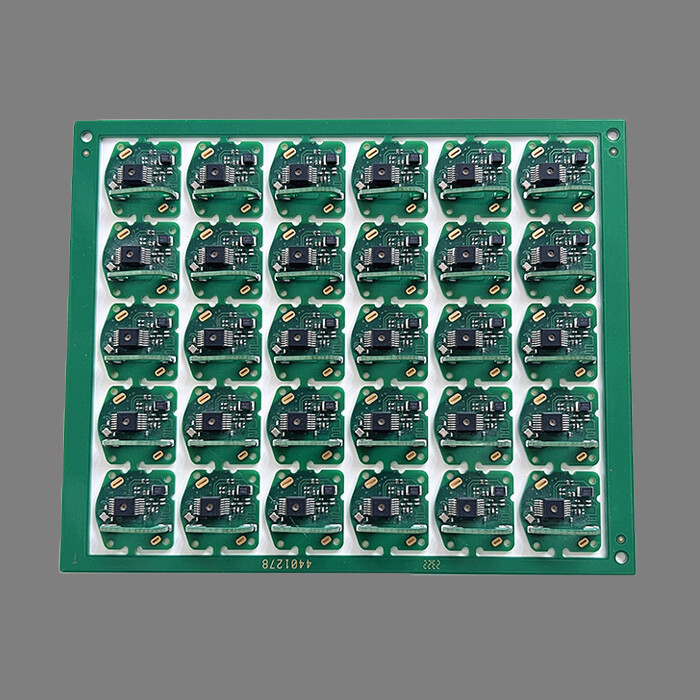
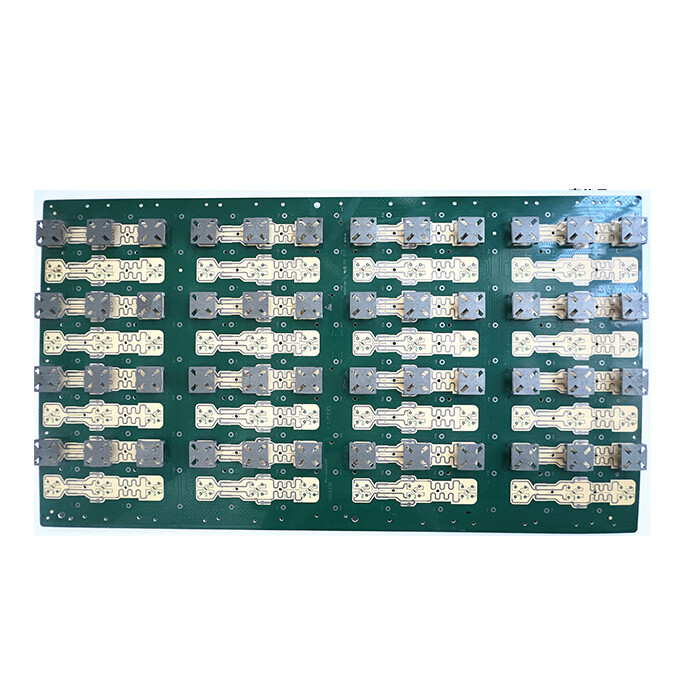
Commodity Name: Mini Wall-mounted Printed Circuit Board Assembly for Automotive Tire Pressure Monitoring
Brand Name: HFast
Layers: 6L
Board Thickness: 1.60mm
Minimum Hole Size: 0.25mm
Minimum Line Width: 0.15mm
Minimum Line Spacing: 0.20mm
Surface Treatment: Gold Plating
Color: Green Oil and White Legend
Brief Introduction of Assembled Printed Circuit Boards
PCBA, its full name Printed Circuit Board Assembly, also called Printed Circuit Board Components or Assembled Printed Circuit Boards.
PCBA refers to the product that has all necessary electronic components (such as resistors, capacitors, integrated circuit chips, connectors, etc.) installed and soldered onto a blank PCB (printed circuit board).
1. PCB is the foundation:
*PCB is the "skeleton" and "nervous system" of PCBA.
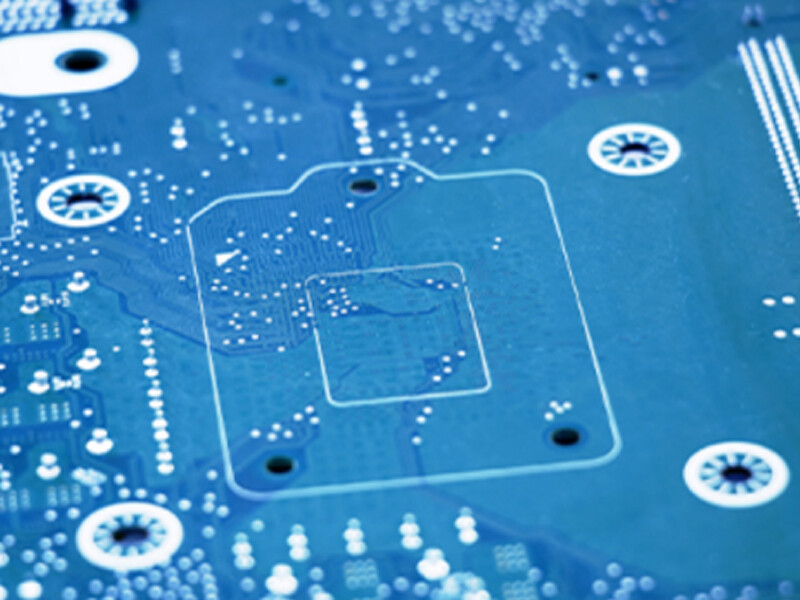
*It is an insulating substrate (usually made of fiberglass epoxy resin, such as FR4) with copper wires (traces) and solder pads etched on it, used to connect different electronic components.
*A blank PCB board itself has no function, it only provides physical support and electrical connection paths.
2. Assembly is key:
*Assembly "refers to the process of accurately placing various electronic components onto their corresponding positions (pads) on a PCB, and forming reliable electrical and mechanical connections through soldering (usually reflow soldering, wave soldering, or manual soldering).
*This assembly process is the core value of PCBA, which endows the PCB with life and functionality.
3. PCBA is a finished product:
*PCBA is the assembled circuit board.
*At this point, the circuit board contains all necessary electronic components that are correctly connected to each other through the wiring on the PCB.
*PCBA is a functional circuit module or subsystem with specific electronic functions that can work.
The Importance of Assembled Printed Circuit Boards
*The core of functional implementation: The functions of any electronic device are implemented by its internal PCBA. It is the core carrier of hardware functions.
*Highly integrated: Modern PCBA technology allows extremely complex circuits to be integrated in a very small space (such as a mobile phone motherboard).
*Automated Production: SMT technology has achieved high automation and efficiency in PCBA production.
*Reliability guarantee: Strict process flow and quality control are the foundation for ensuring the long-term stable operation of electronic equipment.
PCBA VS PCB
PCB: refers to * * bare board * *, which is the printed circuit board itself without any components installed. It only has lines and pads.
PCBA: refers to the assembled circuit board * *, which includes all electronic components soldered onto the PCB. It is a * * functional circuit module * *.
Simple metaphor
*PCB is like an empty urban foundation with planned roads (routes) and parking lots (pads).
*PCBA is like building a fully functional urban area on this foundation with houses (components), shops (chips), connected water and electricity (power/signal), and vehicles (current/signal) that can travel on the road.
PCBA/SMT Manufacture Process Introduction
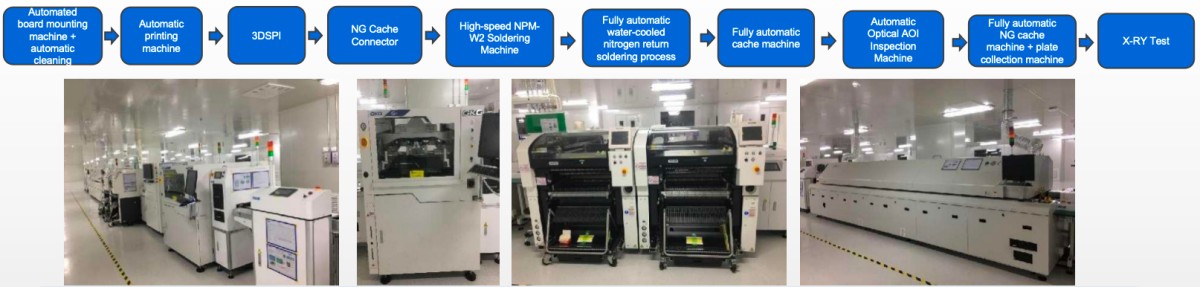
The typical PCBA manufacturing process includes the following key steps (which may vary depending on product complexity, component type, and output):
1. SMT (Surface Mount Technology) SMT:
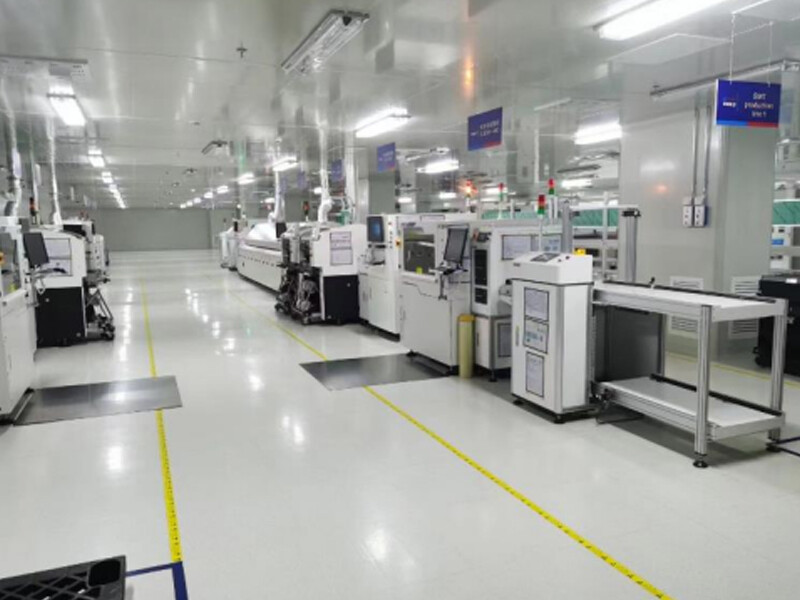
*Solder Paste Printing: Use steel mesh to accurately print solder paste (a mixture of solder powder and flux) on the solder pads of PCB.
*Component mounting: The high-speed surface mount machine accurately picks up and places tiny surface mounted components onto solder pads coated with solder paste.
*Reflow soldering: PCB is soldered through a reflow oven. The temperature curve inside the furnace causes the solder paste to melt, soldering the component pins and pads together, and forming a firm connection after cooling.
2. THT (through-hole insertion technology) plugin:
*For larger or unsuitable surface mount components such as capacitors, connectors, transformers, etc., the pins of the components need to be inserted into the reserved through holes on the PCB.
*Usually completed by manual or automated plugin machines.
3. Wave soldering:
*Mainly targeting THT components. The bottom of the PCB is filled with molten solder waves, and the solder climbs up the through holes through capillary action, soldering the pins and pads of the components together.
4. Manual welding and repair:
*For special components, connectors, or small quantities of prototypes that cannot be completed through SMT or wave soldering, manual soldering is required.
*Repair defects that occur during the assembly process, such as virtual soldering, short circuits, and wrong parts.
5. Cleaning:
*Remove residual contaminants such as flux and solder slag after welding to improve reliability and appearance (optional, depending on the type of flux and product requirements).
6. Testing and Inspection:
Automatic optical inspection: Use AOI equipment to automatically check the quality of solder joints, the presence of components, polarity, offset, etc.
*Online testing: Use an ICT tester to contact the test points on the PCB with the test probe to verify whether the component values, connectivity, and circuit functions are normal.
*Functional testing: Power on the PCBA, simulate the actual working environment, and test whether its overall functionality meets the design requirements. This is the most critical testing step.
*X-ray inspection: Used to check the welding quality of bottom invisible solder joints such as BGA and QFN.
7. Board division:
*If multiple PCB boards are produced together during PCB design, they need to be separated into individual PCBAs after assembly and testing are completed.
8. Final inspection and packaging:
*Perform final inspection on the appearance, labeling, and other aspects of PCBA, followed by anti-static, moisture-proof, and shockproof packaging.
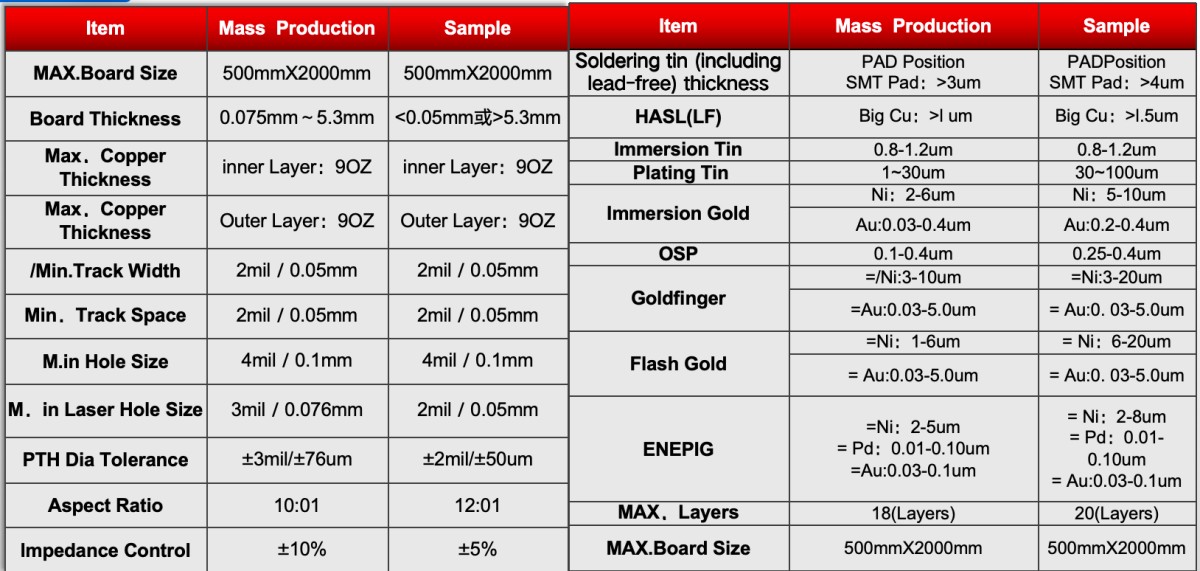
Comprehensive Process Capability of PCBA
Summary for PCBA
PCBA is a printed circuit board component that has been assembled with all electronic components, soldered, tested, and has predetermined electronic functions. **It is the key link in transforming design drawings (schematics, PCB layouts) into practical electronic products, and is the cornerstone of modern electronics industry. From simple remote controls to complex supercomputers, their cores contain various PCBA with different functions.
Online Message
Application

CONTACT US
Please use the form below to get in touch.
If you need a reply we will get in touch as soon as possible.